Buying a narrowboat
Fancy a life of tranquillity on the inland waterways? Alex Smith discusses the iconic narrowboat and shares some top tips to help you find your dream boat.
There are many forms of inland watercraft, from butties to tugs and canoes to barges and GRP cruisers. But the most iconic, and to my mind the most desirable, is the narrowboat.
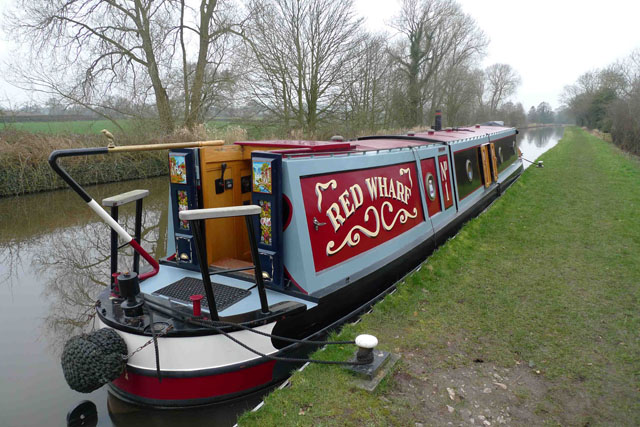
Immediately distinguishable from the various other forms of inland craft, the narrowboat (as the name suggests), is a long, narrow, flat-bottomed inland vessel traditionally built from steel and designed to carry heavy loads in shallow waters at low speeds with great efficiency. Of course, once upon a time, these craft were used to ferry heavy, bulky items like coal from mines to metal foundries and industrial centres. Today, however, they represent an ever more popular form of recreational boating.
If you're thinking of buying a narrowboat, then you need to understand what you are looking at. It's not just about the difference between a narrowboat and a canal boat; there’s much to learn when it comes to finding the perfect narrowboat.
Jump to section:
- Size really does matter
- The different types of stern
- The finer features
- The prudent purchaser
- Summary
- Useful resources

Finding the right narrowboat can make or break your experience of life on the water. | Image by Tim Lewis on Unsplash
Size really does matter
A purist will tell you that, in order to be classed as a narrowboat, the beam must be no more than seven feet. The reason for this is that a craft of any greater width will struggle to navigate the inland network’s narrower canal locks and bridges. Most ‘modern’ recreational narrowboats, therefore, tend to come with a standard beam of around six feet, ten inches.
To muddy the waters, however, there are also plenty of wide-beam ‘narrowboats’ around (how’s that for an absurd oxymoron!). These boats tend to measure around ten feet in the beam. While the extra internal space can feel like a major bonus for regular boaters and liveaboards, it does result in rather inelegant looks and substantially limited cruising grounds.
For most of us, then, an authentic (narrow) narrowboat is the way to go - and happily, the length is considerably less crucial than the width. So, if you want more internal space (as well as the ability to cruise extensively), this is the way to get it.
It is popularly suggested that a boat of 57 feet is the maximum length if you want to navigate the entire system. However, in truth, the vast majority of the network was built with 70-footers in mind, so you should not be deterred by these longer crafts, which offer more spacious and versatile living arrangements.

Although a larger narrowboat will provide more living space, consider the waterways you wish to cruise to ensure you get the right balance between space and manoeuvrability. | Image by Peter Wilkinson on Unsplash
The different types of stern
There are three basic types of narrowboat for you to consider, denoted by the nature of the stern configuration as follows:
The cruiser stern features a long, uncluttered aft deck, allowing many people to gather around the tiller for extended periods of sociable cruising. This is why they are so often used by hire companies for short-term holiday rentals.
However, that big aft deck leaves the engine compartment vulnerable to potential water ingress from rainfall and reduces the internal space (which is always at a premium on any vessel).

A cruiser stern offers the most helm space - combining steering with a social element. | Image by David Mawby Ltd
The traditional (or ‘trad’) stern is the opposite of the cruiser in that it offers only minimal external aft space, with room for just two at the tiller. Some trad craft have the engine set beneath the floor of the aft cabin, while the older style vessels house the engine in a dedicated room amidships. But in both cases, you get a very attractive craft with a well-sheltered engine and lots of internal space - one of the reasons they remain the most popular craft with the liveaboard brigade.

The trad stern offers the least outdoor space at the helm, but more internal living room. | Image by David Mawby Ltd.
The semi-traditional (or ‘semi-trad’) stern is halfway between the cruiser and the traditional craft. It looks like a trad (a style most people love), yet its aft deck extends inside the external structure, enabling several people to congregate around the driving position while the boat is underway.

A semi-trad stern offers a compromise, with enough outdoor space for helming to be a sociable activity, but still offering plenty of living space indoors. | Image by Tingdene Boat Sales Ltd.
The finer features
When you’ve found a boat of the right size, age, style, configuration and price (with plenty of positive, documented maintenance history), it’s time to take a look on board. So prepare yourself to see past the decorative plates, brass mementoes, and lacework doilies and concentrate instead on the following…
First, look for a good-sized permanent double bed, plus as many convertible bunks and/or doubles as you think you will require. You should also look for a dedicated galley with a propane (or diesel) cooker to help reduce your dependency on a shore hook-up if you intend to cruise. While you’re in the galley, ensure there are plenty of work surfaces and storage spaces. Cooking underway can be tricky enough, let alone if there isn't enough space to prepare food or store your pots and pans.

Deciding on a layout that suits your needs is essential when picking your dream life on the water. | Image by David Mawby Ltd.
Moving into the lounge (or “saloon”), you may find either free-standing furniture or built-in units. For most purposes, the latter is preferable – making better use of available space, generating extra storage, and often dividing the area into more distinct sections with a dining table, a settee, a breakfast bar, and even a mini-office.
Crucially, most of us want a narrowboat to feel more like a moving home than a rudimentary campsite - so look for a good, modern pump-out loo with a sizeable holding tank. On my own boat, a simple and affordable 20-minute pump-out each month gives me toilet facilities virtually indistinguishable from those in a house - and that’s still something no cassette toilet can match.
Similarly, whatever your budget, you have a right to expect ambient warmth and plenty of hot water - and in that respect, you have plenty of options. Whether you favour a woodburner with a back boiler, a calorifier, diesel heaters, electric radiators, a propane boiler, or a combination of all of the above will be determined by your intended usage and personal preferences.

Don't forget to check out your prospective narrowboat from a practical point of view: Does the kitchen work for your needs? Do you know where you can pump out the toilet? | Image by Tingdene Boat Sales Ltd.
In addition to a modern, intelligent, professionally fitted electrical system and low-energy 12v appliances, look for double glazing to help minimise condensation and improve warmth and security. It is a genuine asset and would cost hundreds of pounds to retrofit.
And finally, don’t ignore the outside spaces. Are there canvases for the aft deck so you can cruise in comfort? And is there a cratch on the bow deck? This is basically a fitted canvas cover over a hardwood frame with a forward window. It typically features a pair of bench seats and a table, creating a space that is useful not only for storage but also as an additional room. You could easily spend thousands of pounds having these items professionally fitted, so if you want them, put them straight on the ‘must-have’ list.
The prudent purchaser
While we all know that tuition, insurance, and safety equipment are vital budgetary concerns, many of us forget to consider where we will keep a new boat. Yet this is vital because, unless you choose a life of ‘Continuous Cruising’, you either need to buy one that comes with a mooring or (more likely) find a mooring in a place you want to be and then look for a boat that matches your criteria.
If you choose the latter method, make sure you have enough time to drive the boat to its new location without winter lock closures and maintenance getting in your way - or else you may have to pay for an overland relocation on the back of a lorry.
In addition to thinking about where you’d like to moor your boat, don’t forget to check the regulations governing the waterways you’ll be using. Most inland waterways require a Boat Safety Certificate and relevant canal and river licences at a minimum.
The British Canal and River Trust controls most of the UK’s network, but various river stretches come under the jurisdiction of the Environment Agency, so you’ll need to make sure you have the correct documentation for your chosen area.
Finally, if you’re not confident about inspecting a boat yourself, get a qualified surveyor to take a look. It might cost a few hundred pounds, but it buys you peace of mind and often enables you to save some money by haggling from a position of greater authority.

Cruising aboard a narrowboat is an unforgettable and rewarding experience. Just be sure to do your research and get a surveyor in before taking the plunge so you know you're making the right choice! | Image by David Edkins on Unsplash.
Summary
Cruising Britain’s canals on a narrowboat is extremely special, but don’t get excited and rush into a purchase. There are always thousands of narrowboats for sale in the UK, so arrange some viewings, hire a couple of rental craft and work out exactly what size, configuration, layout, and features you need. When the right boat comes along (as it inevitably will), be prepared to haggle hard because there is usually a deal to be done.
Useful resources
If you want more guidance on buying and living aboard a narrowboat, the Canal & River Trust and Environment Agency offer plenty of resources and advice regarding licensing and restrictions.
We also have loads of information here, so be sure to read our other guides, including:
- Narrowboat or Barge? Canal boats explained
- How to drive a narrowboat
- 10 tips for enjoying a narrowboat holiday
- Canal locks: How to operate one
- Guide to living on a boat
- Which type of boat is best for you?
- Boat licenses
- Boat finance options: How to pay for your next boat
And remember, we always have plenty of narrowboats for sale right here at boats.com, so when you’re ready to buy, you’re sure to find your perfect craft!
Editor's Note: This article was originally published by Alex Smith in March 2021, most recently updated by Pippa Shaw in November 2025.