Paralympic sailing dropped for Tokyo
The announcement that sailing will not be included in the 2020 Paralympic Games has led to a campaign to reinstate Paralympic sailing in Tokyo.
There was shock across the sailing world at the announcement that sailing would be dropped from the 2020 Paralympic Games. It was a decision that seemed to come out of the blue. Sailing has been a part of the Paralympic Games since it was introduced as a demonstration sport at Atlanta in 1996. We are so used to considering our sport as an Olympic one, and since the Paralympics has grown up to be the Games' "sister" event, it was almost inconceivable that it wouldn't be in both.
Inconceivable, maybe. A tragedy too, but perhaps it is a well-needed wake up call.
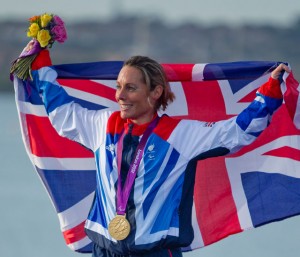
2012 Paralympic gold medallist Helena Lucas. Photo Onedition.
The decision was apparently based on a "lack of worldwide reach." The International Paralympic Committee specifically stated a requirement that all selected team sport disciplines had to be active in 24 countries and all single sport disciplines had to be active in 32 countries. They stated that sailing didn't meet that requirement.
There is a good reason why there has been a strong drive to make the sport more television-friendly, as well as to increase the number of participating nations. While I still mourn the loss of the Europe class in the Olympic line-up, which was so much more enjoyable to sail than the Laser Radial, that move was a wise one. So too was the introduction of a "grandstand" style medal race course. With the Laser and the Radial classes, Olympic sailing has widened its reach when it comes to participating nations, while the medal races have undoubtedly made the event more spectator-friendly.
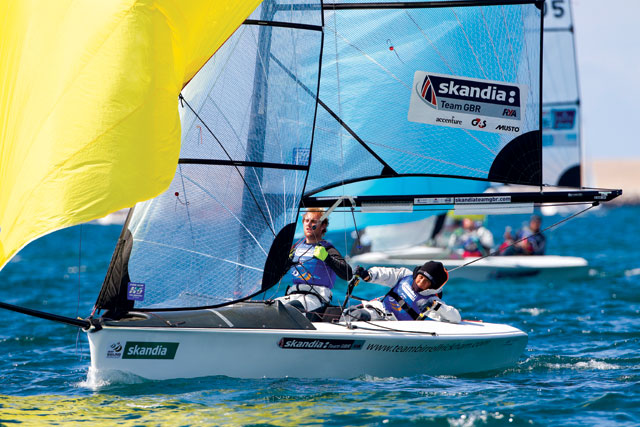
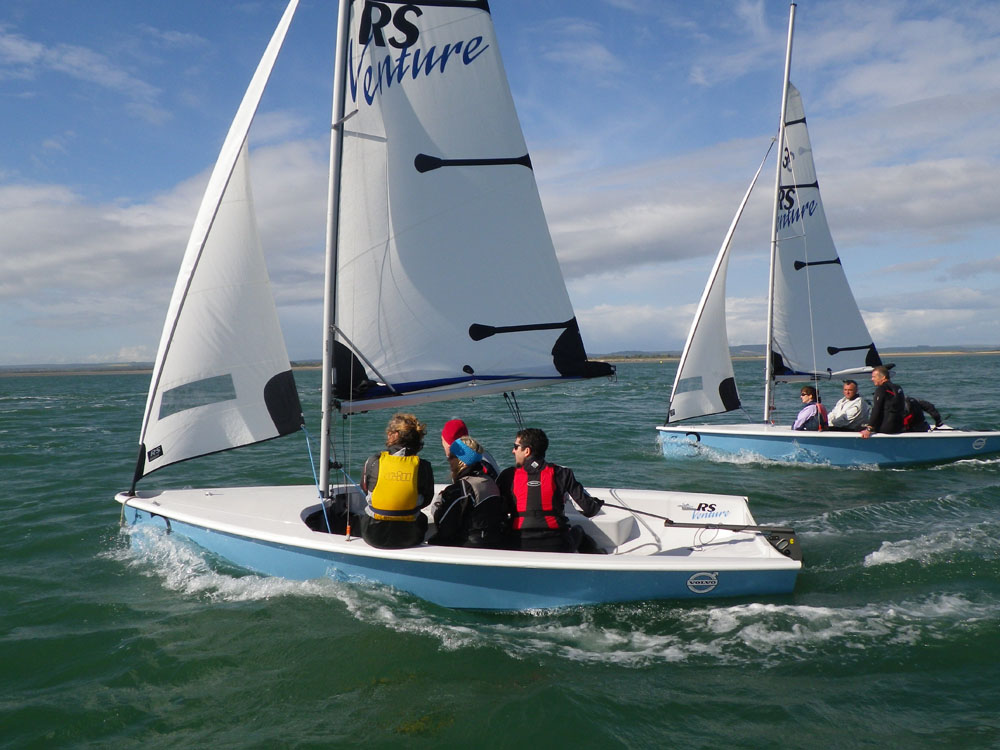
However, in Paralympic sailing the boats are larger, and considerably more expensive to both buy and run. While keelboats have now been dropped completely from the Olympic class line-up, they dominate the Paralympic classes - partly due to the fact that they are ideal for disabled crews. The Skud was the most recent Paralympic class to be added, and while it is fast and exciting, it was a completely new design and hardly cheap. Although hindsight is a wonderful thing, there were alternatives, and it might have been wiser to include a dinghy class (and disabled dinghy classes do exist - the Access dinghy being a prime example), which would have been a cheaper and perhaps more accessible class to complement the more expensive options.

Watching from the hillside gardens next to the Nothe during the 2012 Olympic Games. Photo Paula Irish.
There is no doubt that the loss of sailing from the Paralympics is a tragedy. It has created some amazing heroes and heroines, who have served to inspire people of all abilities to make something more of their lives. It has shown too, as many of the classes also have championships including non-disabled people, that sailing can provide a level playing field for all ages and abilities to compete on. Sailing is a fantastic sport for disabled people, and its profile, and as a result participation, will undoubtedly suffer if it is dropped from the Paralympics. Inspirational disabled yachtsman Geoff Holt eloquently expresses what a loss it would be in the video below and calls for a campaign to reinstate Paralympic sailing in Tokyo.
There is a strong movement to try to reverse the decision (sign the petition on change.org), but we should also now be very aware that sailing's position in the Olympic Games itself must never be taken for granted.