Boat hull types: what hull shape is best?
There are many different hull types on the market. Each design has its benefits and pitfalls. Learn which hull shape fits your boating needs best.
When it comes to boat hull types, design is crucial. Whether your boat has a large or small engine, one berth or a dozen cabins, a gourmet galley or a one-burner stove, there is nothing that will enhance your boating experience more than the design of your hull. If you've already decided to buy a boat, but are still deciding which type of boat is best for you, read on to find out how the type of hull may also affect your purchase desicion.
Types of boat hulls
- Flat bottom hulls: a hull that has almost no deadrise.
- Deep-V hulls: a wedge-shaped hull from bow to stern.
- Modified-V hulls: the most common hull for small boats.
- Catamarans: two hulls bridged by a deck.
- Chines and strakes: moulded strips that run lengthwise along the bottom of the hull are virtually universal on modern planing boats.

Similarly to cars, a boat’s design can affect its performance. Whereas some cars are better at cruising the motorway, others are designed to drive in more rugged conditions. You wouldn't choose a Rolls-Royce to drive on an off-road trail, for example. The same goes for boats. So when planning a boat purchase, you should give as much consideration to the shape of the hull as you do to the price and the colour.
There is one truth here: no boat design does everything well. In some cases, you may want to sacrifice stability for speed, or vice versa. Weight may be a prime factor for trailer boaters, while strength may be more important to skippers who venture far offshore. In the end, each boat buyer has to make choices based on a particular set of needs.
The most important term to understand when considering hull shapes is ‘deadrise’. This is the angle that exists between the bottom of the boat and the horizontal line on the sides of the centre keel. Deadrise is usually measured in degrees as a method of comparison between boats. However, you can measure deadrise at any point on the hull.
Let's take a look at the strengths and weaknesses of different hull shapes.

Flat bottom hulls
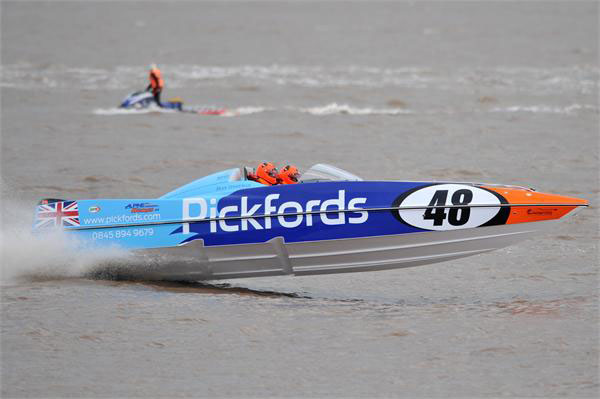
Unless you're buying a simple rowboat, few boats are actually flat-bottomed. However, this term also refers to a hull that has almost no deadrise, or just a few degrees at most. Flat-bottomed designs are popular for high-performance boats that skim across the smooth waters of lakes and rivers to achieve maximum speed. You'll also find that many tournament waterski boats are nearly flat-bottomed because the shape creates a smooth wake for skiing. Amall skiffs are also often flat-bottomed as a flat hull offers maximum stability. The downside to a flat-bottomed boat is that it can cause discomfort, even in mildly rough waters. For that reason, most modern powerboats will be either deep-V, modified-V or hybrids, such as catamarans.
Deep-V hulls
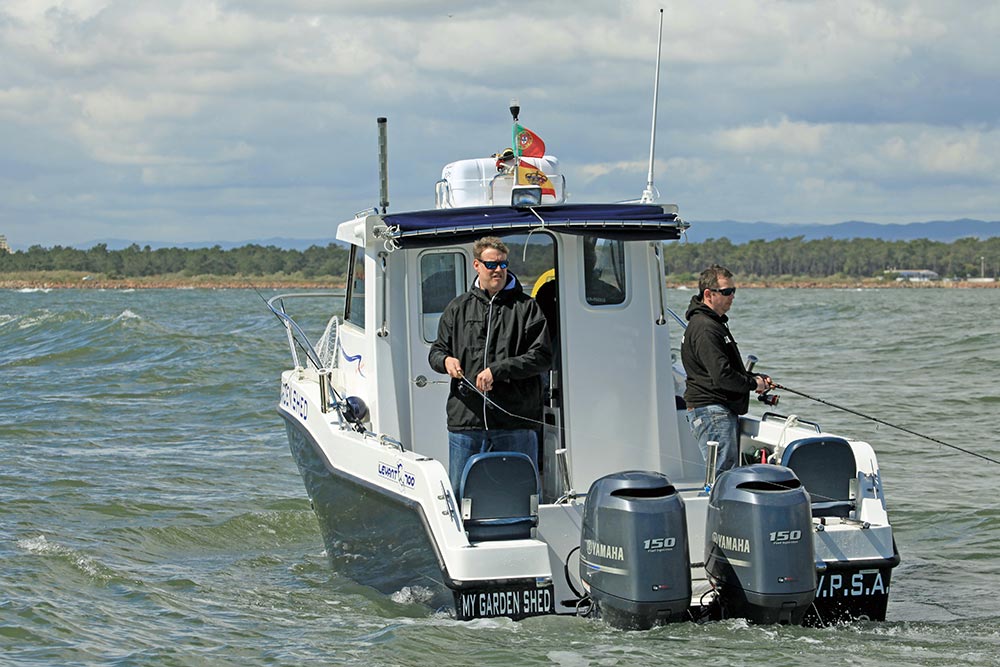
Deep-V hulls are the opposite of flat-bottom hulls as they are wedge-shaped from bow to stern. This shape provides smooth sailing through rough waters as the hull cuts cleanly through waves. For this reason, it’s popular for offshore sportfishing boats. The ‘downsides’ to this hull design include a reduced suitability for shallow water use and less stability (deep-V hulls tend to roll in choppy conditions when at low speed or at rest). Additionally, the deep-V has more drag than a flat-bottom hull, requiring more power to reach the same speed.
Modified-V
Sometimes called a warped plane, the modified-V is the most common hull type for small boats as it combines some of the best characteristics of other shapes. The flatter sections toward the stern add stability as well as increased speed, just like a flat-bottom hull. The wedge-shaped forward hull cushions the ride like a deep-V hull, while pushing the spray aside. Like most compromises, a modified-V is not the best choice in every condition, but it does provide a good solution to most family boating needs. This is because you never know whether you'll be skimming across a smooth lake or fishing offshore on a choppy sea.
Catamarans
Using two hulls bridged by a deck (imagine two logs tied together), the catamaran design provides additional beam, increased stability and increased speed (the slim twin hulls have little drag). Catamarans also generally have a shallower draft and require smaller engines than similarly sized monohulls. The main drawback to a catamaran is that it has less usable inside volume than a monohull. This means the cabin and cockpit layout are often compromised.
What are strakes and chines on a boat hull?
Sometimes called running strakes or lifting strakes, these moulded strips run lengthwise along the bottom of the hull and are virtually universal on modern planing boats. Originally, they were intended to help the deep-V hull reach planing speed, since each strake has enough horizontal area to act like a small flat-bottom for lift.
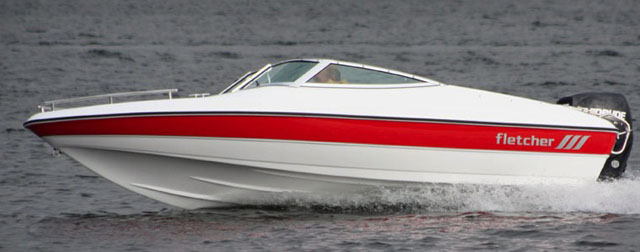
Designers found that the strakes not only provided lift, but when the boat was pounding in rough seas, they acted as shock absorbers to cushion the motion of the hull. Strakes also help to throw spray off to the side rather than allowing it to travel directly up the hull and into the cockpit. Strakes do add drag but, considering the benefits, it's no surprise that most builders use them on even hulls with mildly vee-bottoms.
The chine of a boat is the section where the sides of the hull meet the hull’s bottom. In the simplest design, the chine is a corner on each side of the hull that has no effect on performance or handling.
Designers found that by adding a ‘chine flat’ on each side, they could increase the lift of the hulls. This allowed them to use more deadrise (a deeper-V) with less horsepower. A second advantage of the chine flat is that it provides stability (like a flat bottom) when the boat is at rest. For fishermen, chine flats can reduce the rolling motion when trolling or drifting in choppy seas. Chine flats are also useful during high-speed turns, providing more grip to the water.
Reasoning that if a chine flat was good, a reversed chine would be even better, some designers turned the angle of the chine downward to better catch the water. It's also been suggested that reversed chines channel air under the hull to break the suction of the hull and increase speed.
The bottom line
So what sort of hull shape should you have on your boat? Well, it's going to depend on how you plan to spend your time on the water.
If you have a need for speed and want to feel the wind in your hair, you'll probably opt for either a flat-bottom or a deep-V hull. The following choice is going to depend on where you boat. If you're headed for lakes and rivers, a flat bottom will give you maximum speed on calm waters. If, on the other hand, you'd rather play offshore in ocean swells, then a deep-V is your likely choice because you need to soften the ride as much as possible.
If angling is your hobby, once again you'll want to consider what sort of waters you'll most likely encounter. Freshwater anglers can use the fast and shallow bass boats that would be wet and uncomfortable in ocean waters. Sportfishing enthusiasts going after big game fish may need to venture far offshore, so a hull with soft riding qualities, enough speed to outrun inclement weather, and good stability is essential. Deep-Vs have been the traditional offshore fishing machines, but power catamarans also present an attractive sportfishing option.
Want to enjoy water sports? There's a range of waterski and wakeboard boats with modified-V hulls that are designed specifically for your passion. You'll find that many of the tow boat manufacturers are introducing innovative ways of creating different types of wakes with just a single hull. In fact, the latest generation of wake surfing boats are often designed and outfitted to produce ‘shape-able’ wakes of different heights and sizes. Learn more about this in our Watersports section.
For family boating, you'll probably be perfectly happy with a modified-V hull under everything from runabouts and express cruisers to centre console fishing boats. Certainly, the most popular hull design, in terms of sheer numbers, the modified-V is versatile enough to go fishing offshore one weekend, waterskiing the next, and picnicking on another. By carefully considering your needs, as well as the features of each hull, you'll quickly gain insights to find the boat that best suits your boating lifestyle.
Explore your options and find your ideal boat.
Images: Large boat,Dieter Loibner via Boats.com / H20 Hamble Dory via seaangler.co.uk / Fletcher boat via uk.boats.com.